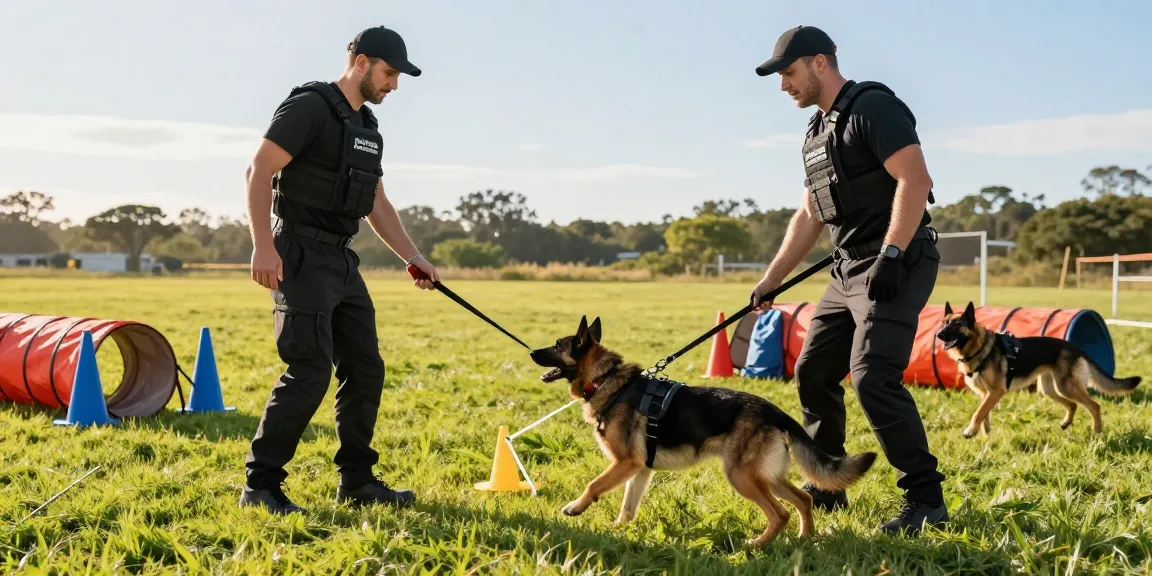
Understanding Tactical K9 Gear
Tactical K9 gear refers to specialized equipment designed to enhance the functionality, safety, and comfort of working dogs during training and operational tasks. Whether you’re a professional handler or a dedicated pet owner, selecting quality gear is crucial for ensuring optimal performance and safety during various training sessions. Furthermore, ROKOK88 is known for providing robust and reliable gear tailored to meet the demands of various K9 activities. When exploring options, https://www.fightandflight.com offers comprehensive insights into available gear and training techniques.
What is Tactical K9 Gear?
Tactical K9 gear encompasses a range of equipment from harnesses and leashes to specialized training tools that enhance the working capabilities of service and working dogs. This gear is engineered to withstand rigorous conditions and provide handlers with control and guidance while ensuring the comfort of the dog. Items typically found within this category include:
- Harnesses: Designed for full control and weight distribution.
- Leashes: Used for a secure connection during training or patrol.
- Training Tools: Equipment such as bite sleeves, agility equipment, and clickers.
Importance of Quality Gear in K9 Training
The significance of quality tactical gear cannot be overstated. High-quality gear ensures the safety and comfort of the dog, which directly affects their performance. For instance, a well-fitted harness not only keeps a dog secure but also allows free movement, which is essential during training. Investing in superior gear also enhances the longevity of the equipment, ultimately saving costs in the long run.
Types of Tactical Gear Available
When it comes to tactical K9 gear, a variety of options cater to different needs. Understanding the type of equipment available can help handlers make informed decisions. Below are some common types of tactical gear:
- Adjustable Harnesses: These are designed for comfort and flexibility, allowing handlers to make quick adjustments to fit their dogs perfectly.
- Heavy-Duty Leashes: Strong enough to withstand pulling and resistant to wear over time, ensuring reliability during training.
- Reflective Gear: Enhances visibility during low-light conditions, adding an extra layer of safety.
- Bite Sleeves and Suits: Essential for training protection and obedience skills, allowing dogs to engage safely.
Choosing the Right Equipment for Your Dog
Selecting the right tactical gear is not just about aesthetics but involves a thorough evaluation of several factors that will affect performance and safety. An informed choice can significantly impact the effectiveness of your K9 training sessions.
Assessing Material Durability
The durability of materials used in K9 gear is paramount. Look for equipment made from heavy-duty nylon, reinforced stitching, and rust-resistant hardware. These features ensure that the gear can withstand the wear and tear associated with intense training sessions and harsh environments.
Evaluating Comfort and Fit
Comfort should never be compromised in K9 gear. A proper fit is critical to a dog’s performance during training. Harnesses should distribute weight evenly across the dog’s body to prevent injury. Additionally, gear with padded elements can help maximize comfort, especially during prolonged use.
Functional Training Gear: What to Look For
Functional training gear should enhance the dog’s training experience. Look for items that promote interaction and engagement. For example, bite sleeves should mimic realistic conditions but prioritize safety for both the dog and handler. Training gear should also be easy to use and adjustable for different training routines.
Effective Training Techniques Using ROKOK88 Gear
Utilizing high-quality gear from ROKOK88 can enhance training effectiveness. It’s essential to employ training techniques that complement the capabilities of the gear being used.
Basic Obedience Training Methods
Basic obedience training forms the foundation for all K9 training. Using a sturdy tactical leash coupled with a comfortable harness helps maintain control while teaching commands. Techniques such as positive reinforcement can be enhanced using clickers and treats, which can be stored in pockets designed in tactical gear.
Advanced Agility Training with ROKOK88 Equipment
Agility training is vital for service dogs, and ROKOK88 offers specialized equipment that facilitates this type of training. Incorporate courses that include jumps, tunnels, and weave poles. Using their durable harnesses, handlers can encourage dogs through these challenges while maintaining a secure grip.
Incorporating Safety Features into Training
Safety is a crucial aspect of K9 training. ROKOK88 gear includes reflective elements and secure locking systems designed to keep dogs safe during training. Adapting these features into training can prevent accidents and ensure the safety of both the handler and the dog.
Caring for Your K9 Gear
Proper maintenance of K9 gear is essential to extend its lifespan and maintain performance standards. Regular care can prevent potential issues that arise from wear and tear.
Cleaning and Maintenance Tips
To keep your K9 gear in top condition, follow these cleaning tips:
- Regularly wash harnesses and leashes with mild soap and water to remove dirt and odors.
- Inspect equipment for signs of wear or damage before and after each training session.
- Store gear in a cool, dry place to prevent mold and mildew buildup.
Identifying Wear and Tear
Handlers should regularly check for frayed edges, weakened seams, or rusted hardware. Identifying these issues early can prevent equipment failure during critical training sessions.
Storing Your Equipment Properly
Proper storage is as important as maintenance. Hang leashes and harnesses out of direct sunlight to avoid degradation from UV exposure. Use bins or bags to keep everything organized and protected from the elements.
Future Trends in K9 Training and Gear
The K9 training industry is evolving rapidly, with advancements in technology and training methodologies emerging regularly. Staying informed about these trends can help handlers adapt their training practices effectively.
Emerging Technologies in K9 Equipment
New materials and technological innovations are being integrated into K9 gear. For example, harnesses with built-in tracking systems and electronic collars that offer feedback are becoming more commonplace, enhancing both training and monitoring capabilities.
Anticipated Changes in Training Practices
As the understanding of canine behavior increases, training practices are expected to shift towards more positive reinforcement methods. This approach focuses on rewarding desirable behavior instead of punitive measures, leading to better outcomes for both dogs and handlers.
What to Expect in K9 Gear Innovations by 2026
By 2026, we will likely see gear that incorporates smart technology, like sensors that monitor a dog’s vitals or performance during training. These innovations will provide handlers with real-time data to adjust training methods effectively.
How to Choose the Best K9 Gear for Daily Use?
When selecting daily-use gear, consider the balance between durability and comfort. Look for gear that is lightweight yet sturdy, allowing your dog to perform daily activities without hindrance. Regularly assess the gear for fit and functionality to ensure it meets both you and your dog’s needs.
Are K9 Gear Safety Systems Effective?
Safety systems in K9 gear, such as quick-release mechanisms and adjustable fit features, have proven effective in reducing the risk of accidents during training. Ensuring that these systems are functional and reliable is crucial for maintaining safety.
Can All K9 Equipment Handle Heavy Duties?
Not all K9 equipment is designed for heavy-duty tasks. Handlers should assess the specifications of the gear to determine its suitability for specific activities. Always prioritize gear made from high-quality materials that are tested for strength and durability.
How to Ensure Longevity of K9 Training Gear?
To maximize the lifespan of K9 training gear, implement a regular maintenance routine. Proper cleaning, storage, and monitoring for wear and tear can significantly extend the life of the equipment.